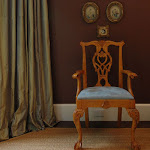
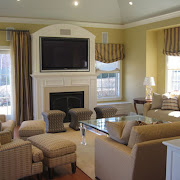
Check out these interesting spaces:


Apartment therapy
Notice that many of the bathrooms (not all) used simple classic plumbing fixtures and then added character that could be changed without calling the plumber or costly construction.


Guilloché, phonetically pronounced gee-oh-SHAY is a French word for the process of engraving either by hand or by machine intricate repetitive patterns. Guilloché, is an engraving technique in which a very precise intricate repetitive pattern or design is mechanically etched into an underlying material with fine detail. Specifically, it involves a technique of engine turning, called guilloché in French after the French engineer “Guillot”, who invented a machine “that could scratch fine patterns and designs on metallic surfaces”. The machine improved upon the more time-consuming practice of making similar designs by hand, allowing for greater delicacy, precision, and closeness of the line, as well as greater speed. Yet another account is that it derives from the French word for an engraving tool, not the engine turning machine.Further details on Guilloche from e-Bay:
Although Enamel and Guilloché was used, pairing-first, applied by Peter Carl Fabergé on the Faberge eggs in the 1880’s-they are nevertheless two separate techniques and were not applied to one another until Fabergé.And then of course, there is my favorite- CLOCKS. See below a bevy of clocks to delight the eyes:
Below is a picture of Guilloche with out the applied enamel:

Next group of pictures below are examples of Guilloche after enamel:

The machines used to create guilloché designs are no longer produced. Today true guilloché can be found in mostly luxury watches and then only a very few companies practice the art. The guilloché technique can be seen in various antique and vintage jewelry and vanity items from compacts, pocket watches and dresser sets to charms.